Lendvis
ServicesWorkPricingStudio
Start a projectRU

© 2026 Lendvis · Samara, UTC+4 · working remotely

TelegramEmailGitHub
HomeServicesWorkPricingStudioContact

Projects you can open

The repositories are public: some projects come with a live demo, the rest run locally in one command. Commercial work under NDA is told as problems and outcomes.

We have worked on more than 20 projects

Quiz

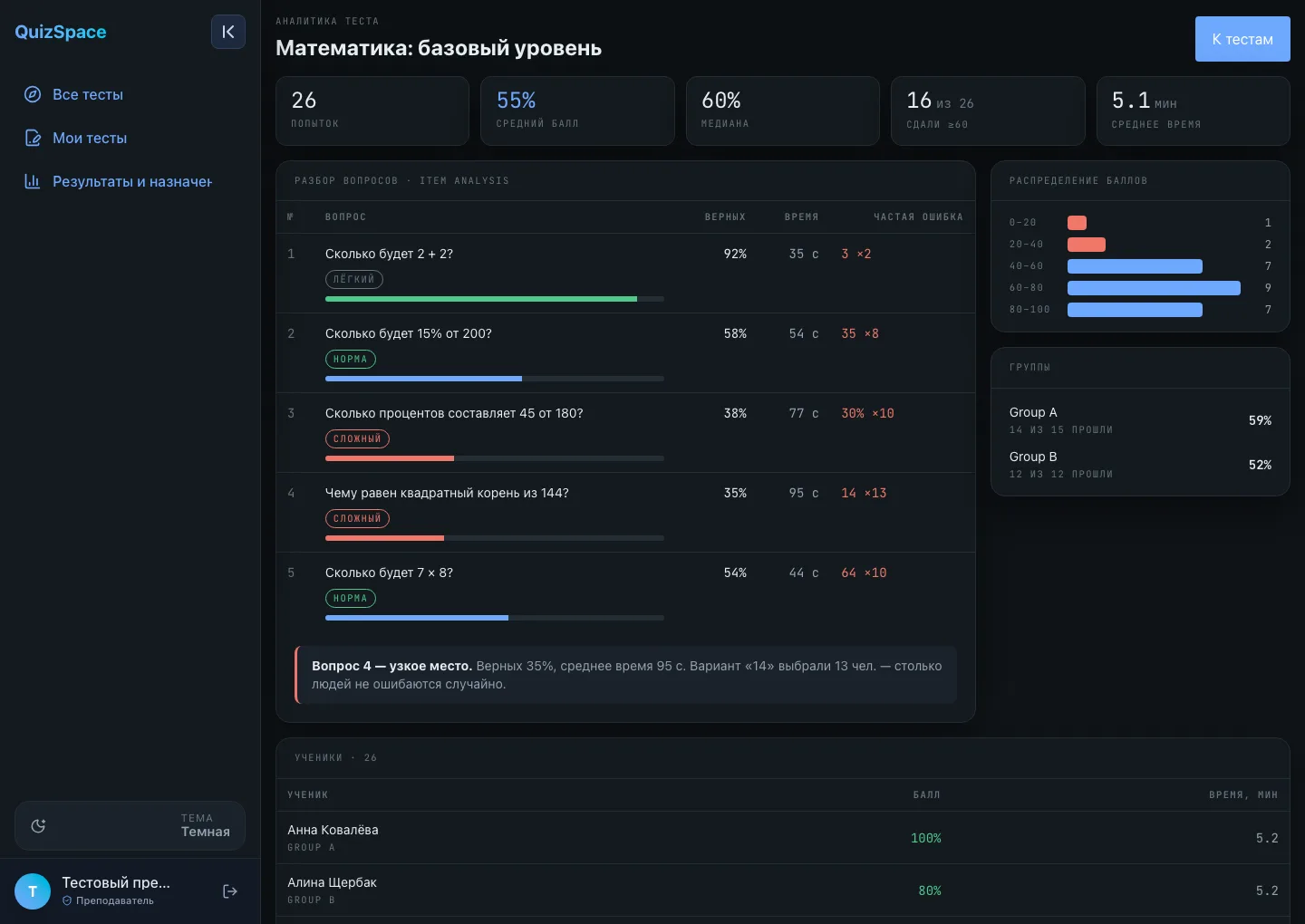
An LMS with teacher, student and management roles: groups, assignments, test taking and results. The centrepiece is analytics: a single SQL query over answers and timestamps yields share correct and average time per question, the distractor that pulls the most students, score distribution and a per-group cut — so a teacher sees which question is badly worded, not just who scored what. Comes up with a single Docker command.

lendvis.ru/quiz/
OpenCode

Client booking bot

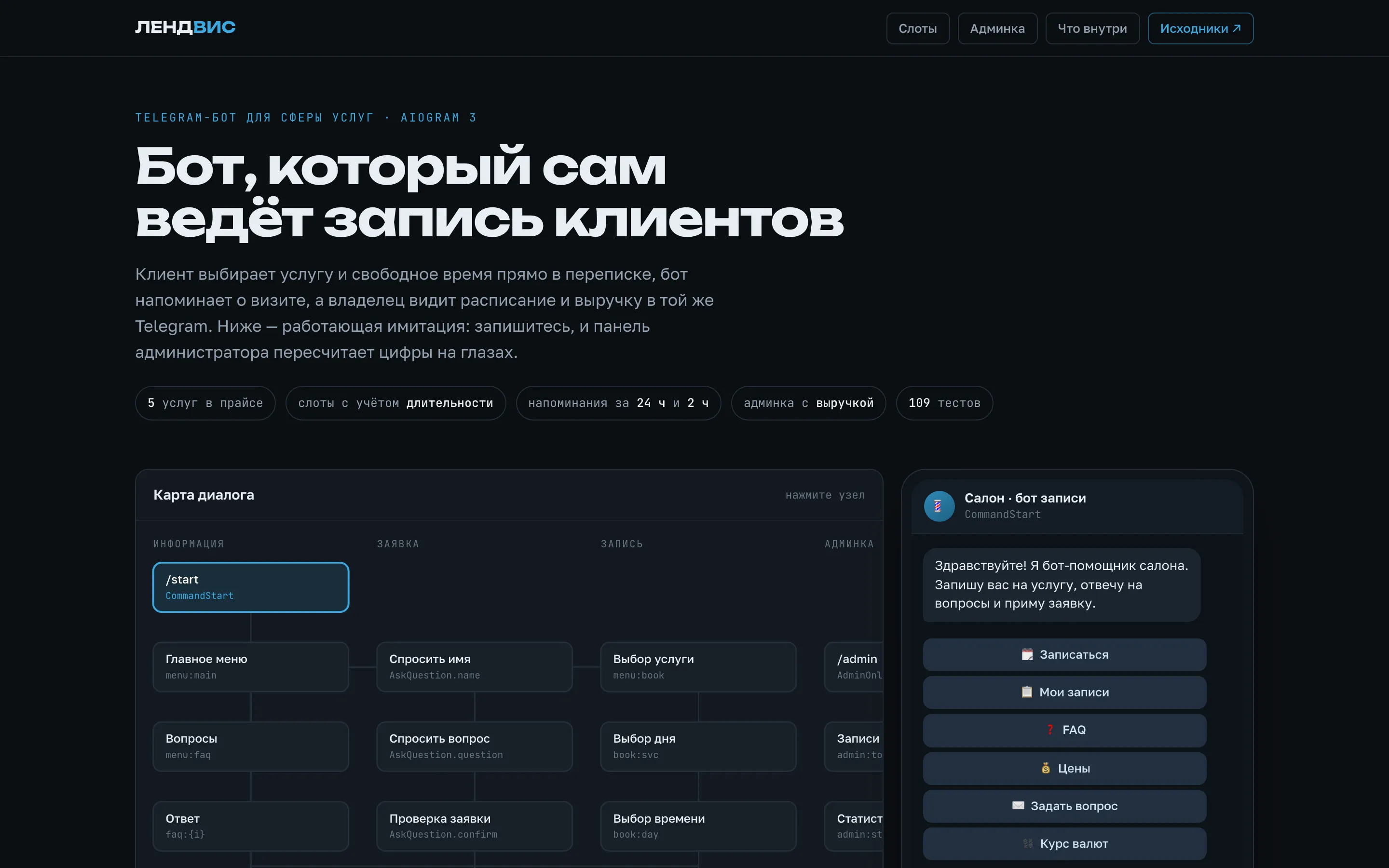
A booking bot for service businesses that runs the schedule itself: the client picks a service and a free slot right in the chat, slots are computed from the service duration, and a partial unique index makes a double booking impossible even under a race. It reminds clients a day and two hours ahead, and the owner gets an admin panel with the schedule, 30-day revenue and conversion. 109 tests, none needing a network or a live token.

lendvis.ru/python-faq-bot/
OpenCode

Drawer

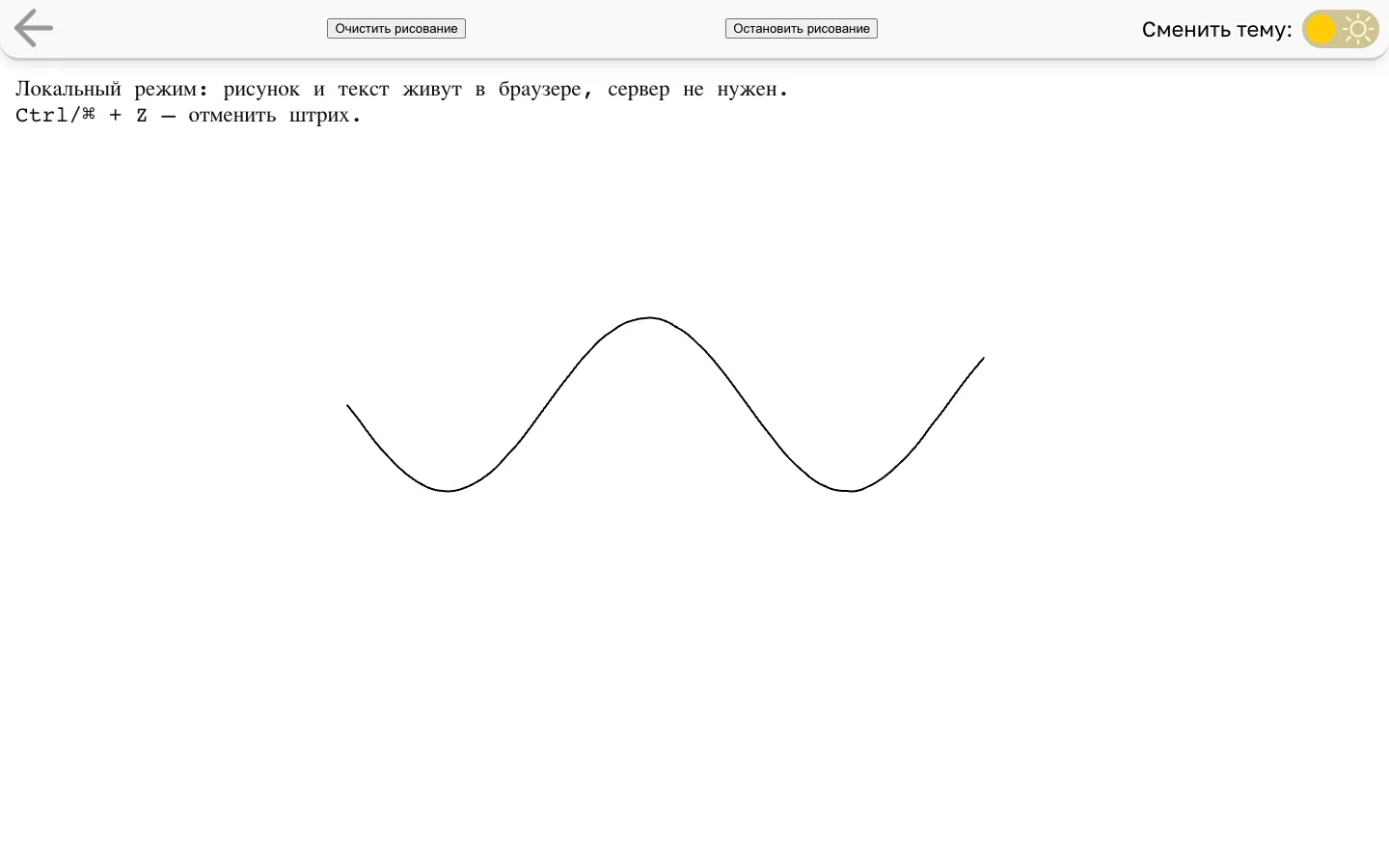
A shared board where several people draw and type on one canvas at once — strokes and text reach the whole room instantly over WebSocket, with no reloads or lag. Every stroke carries its own id, so participants never overwrite each other even while drawing in the same spot. Opens from a link, nothing to install.

lendvis.ru/drawer/
OpenCode

Hotel booking

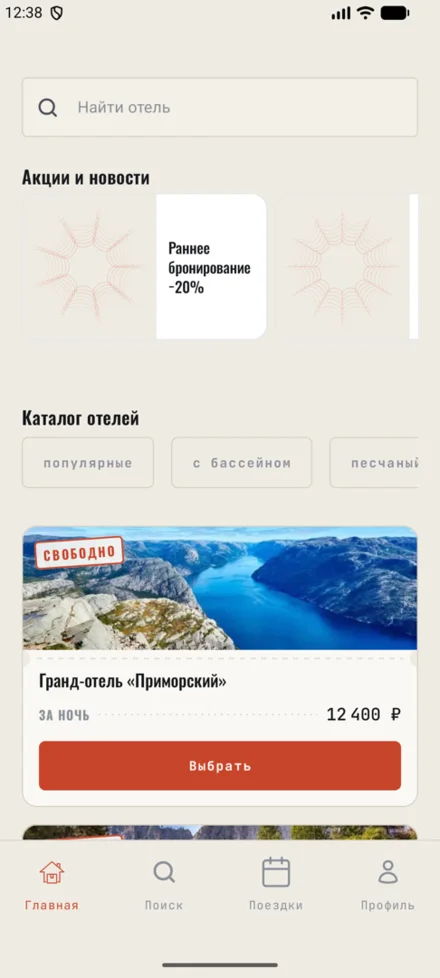
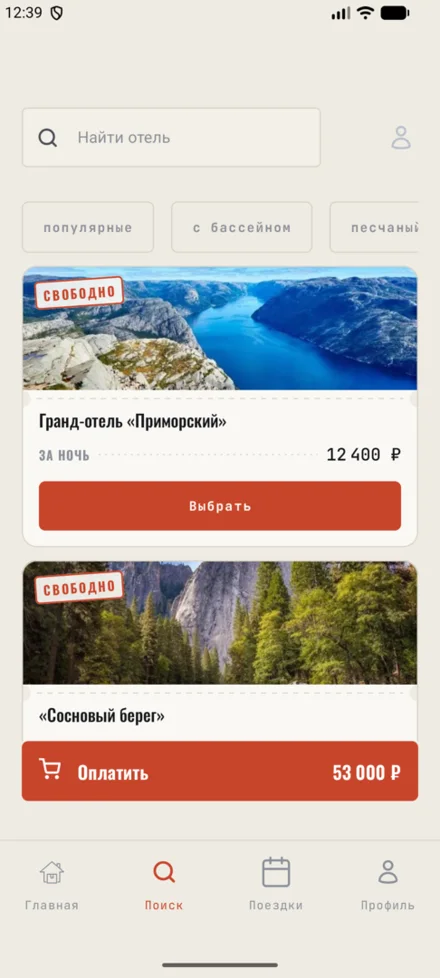
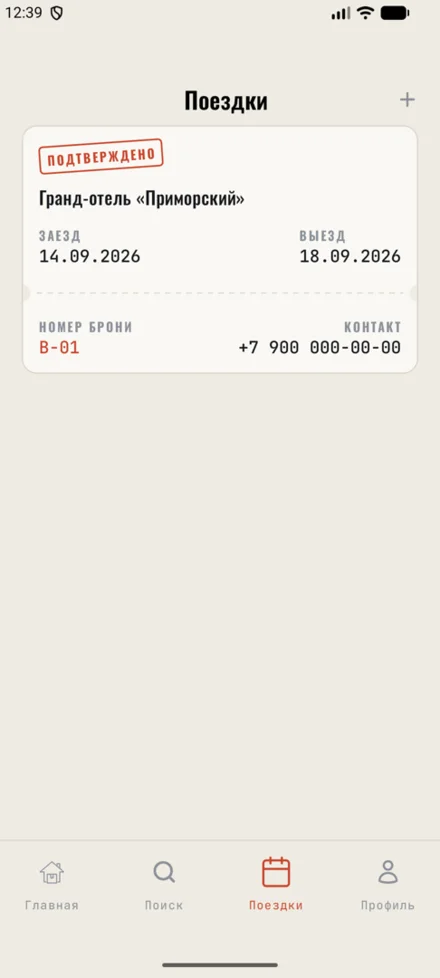
A mobile hotel-booking app with its own “ticket” identity — paper, stamp, perforation: recognisable from the first screen, not assembled from a template. Search and filters, hotel cards with photos and price, trip checkout, history and a profile. A multi-module Jetpack Compose architecture (app / ui-kit / network) so the project grows and is maintained without rewrites. The demo runs on prepared data.

Code

HR assistant with an offline LLM

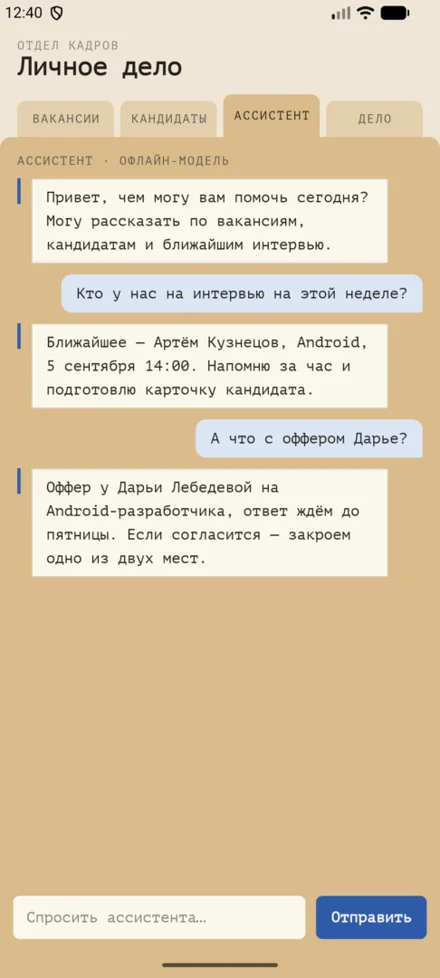
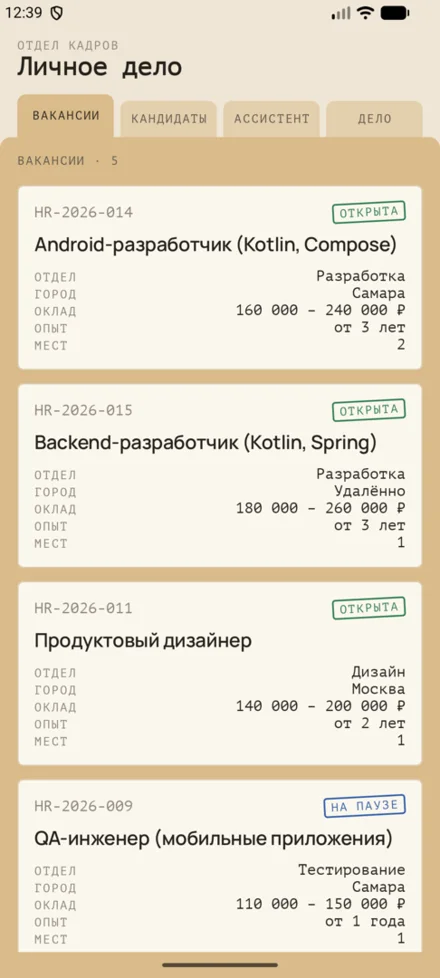
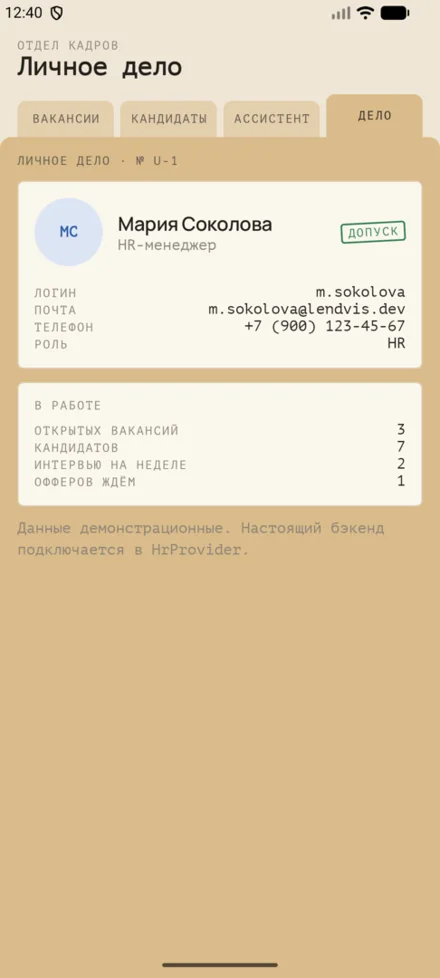
An HR app in a “personnel file” look: vacancies, candidate cards, a profile and a chat assistant that answers with a language model on the device itself (MediaPipe + Qwen). The key advantage is that the model runs offline, so résumés and candidate chats physically never leave the phone — for HR that is a data-protection requirement, not a convenience. A multi-module Jetpack Compose project, built to scale under real load.

Code

Bespoke atelier

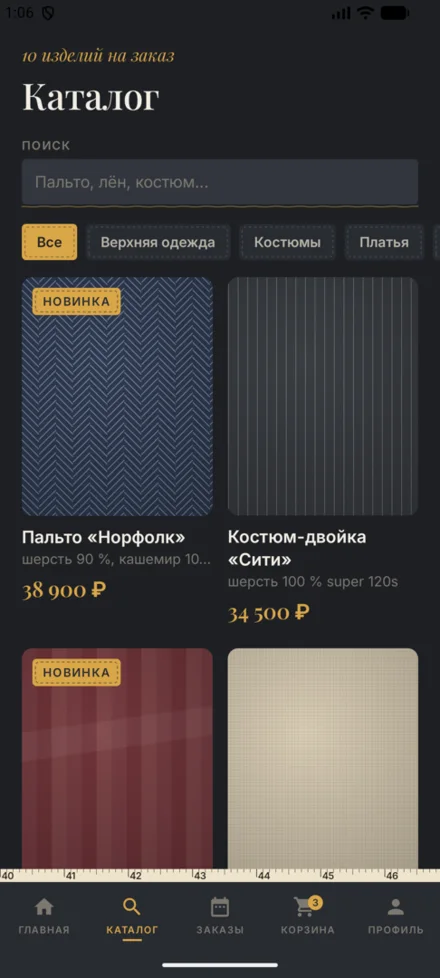
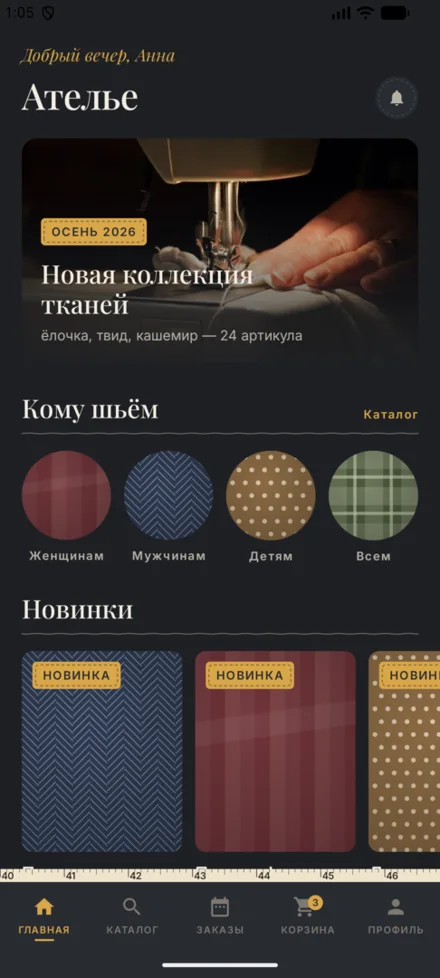
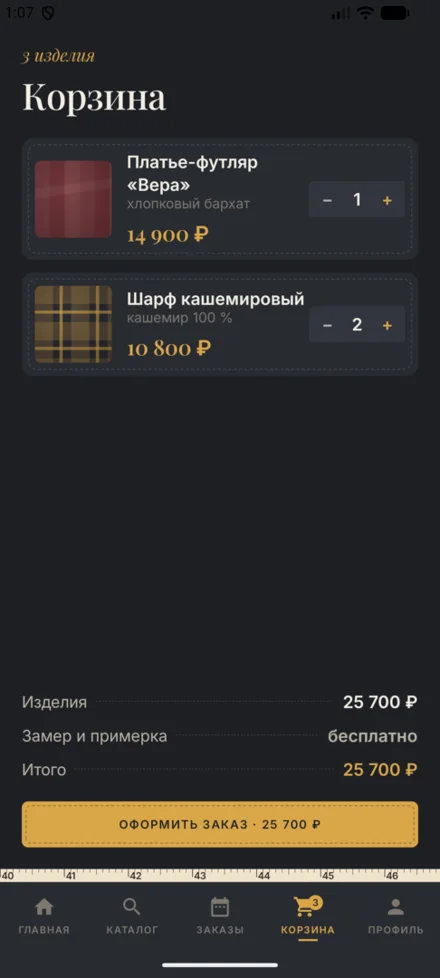
An atelier app with a fully bespoke “tailor’s table” world — cloth, chalk, gold thread, a measuring tape: every fabric in the catalogue is drawn on Canvas rather than photographed, so the interface looks richer than stock and weighs less. Orders with tailoring stages, a cart, a profile. A multi-module Jetpack Compose project — an example of giving a mobile app a recognisable brand, not just screens.

Code

Reaction game arena

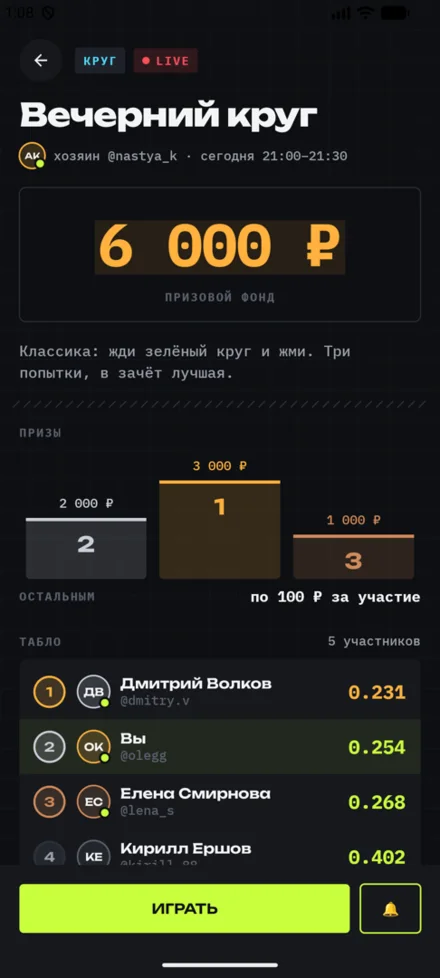
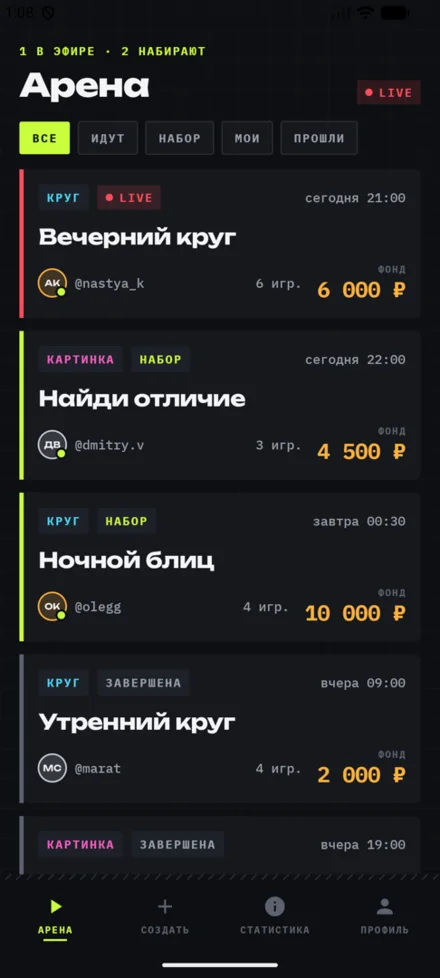
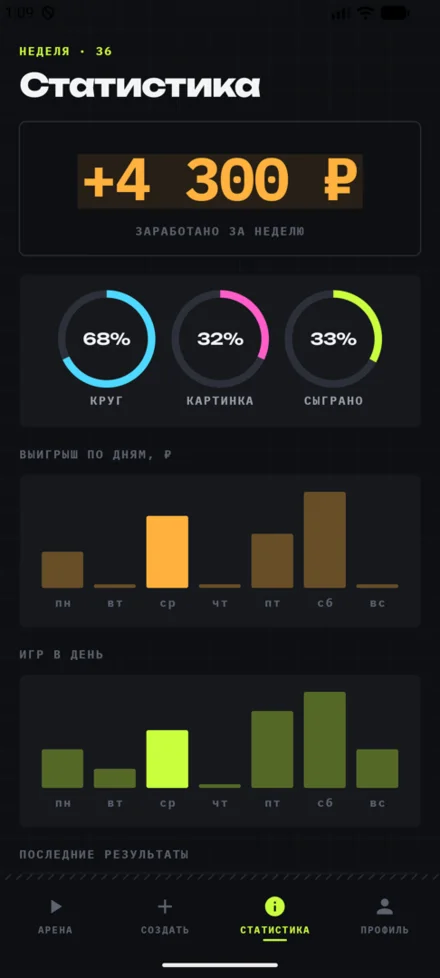
An arena app in a “scoreboard” look — asphalt, lime, amber, a live LIVE badge. Rooms with a prize pool, a leaderboard, statistics and a profile — and the reaction game itself is genuinely playable right in the app: wait for the green circle and tap, three tries, best one counts. Not a mock-up or a set of screens, but a working product with a real game loop. A multi-module Jetpack Compose project.

Code

Smart home for Alice

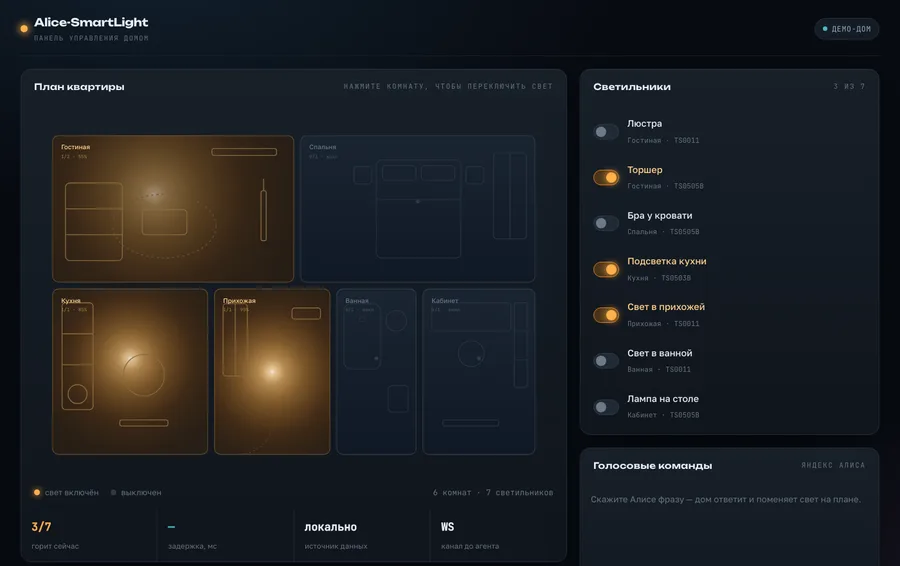
A cloud smart-home backend that plugs into Yandex Alice: OAuth over Yandex’s protocol, a WebSocket down to the devices, telemetry and a web control panel. The same interface runs on demo data or a live server — switched with a token, with channel latency shown in the status bar. It shows we do more than draw screens: we hold persistent connections and integrate with a third-party ecosystem.

lendvis.ru/alice/
OpenCode

Blockchain practice

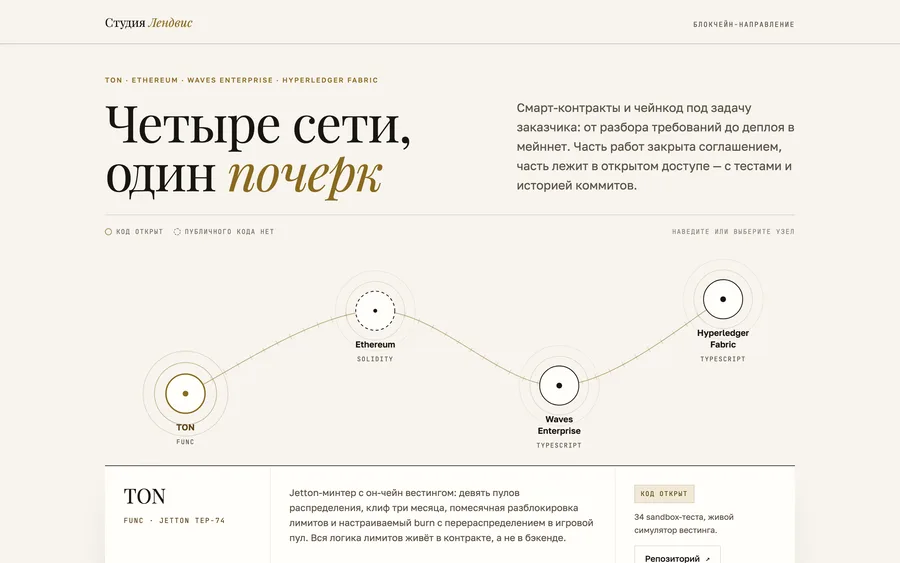
An overview of the studio’s blockchain work across four networks at once — TON, Ethereum, Waves Enterprise, Hyperledger Fabric: where a contract bug cannot be rolled back, so we write slowly and cover the logic with tests. Some work is under NDA, some is open with code and tests — a supply-chain chaincode for Fabric and a document registry on Waves Enterprise with SHA-256 integrity checks. A field most contractors will not even take on.

lendvis.ru/blockchain-practice/
OpenCode

React bug teardown

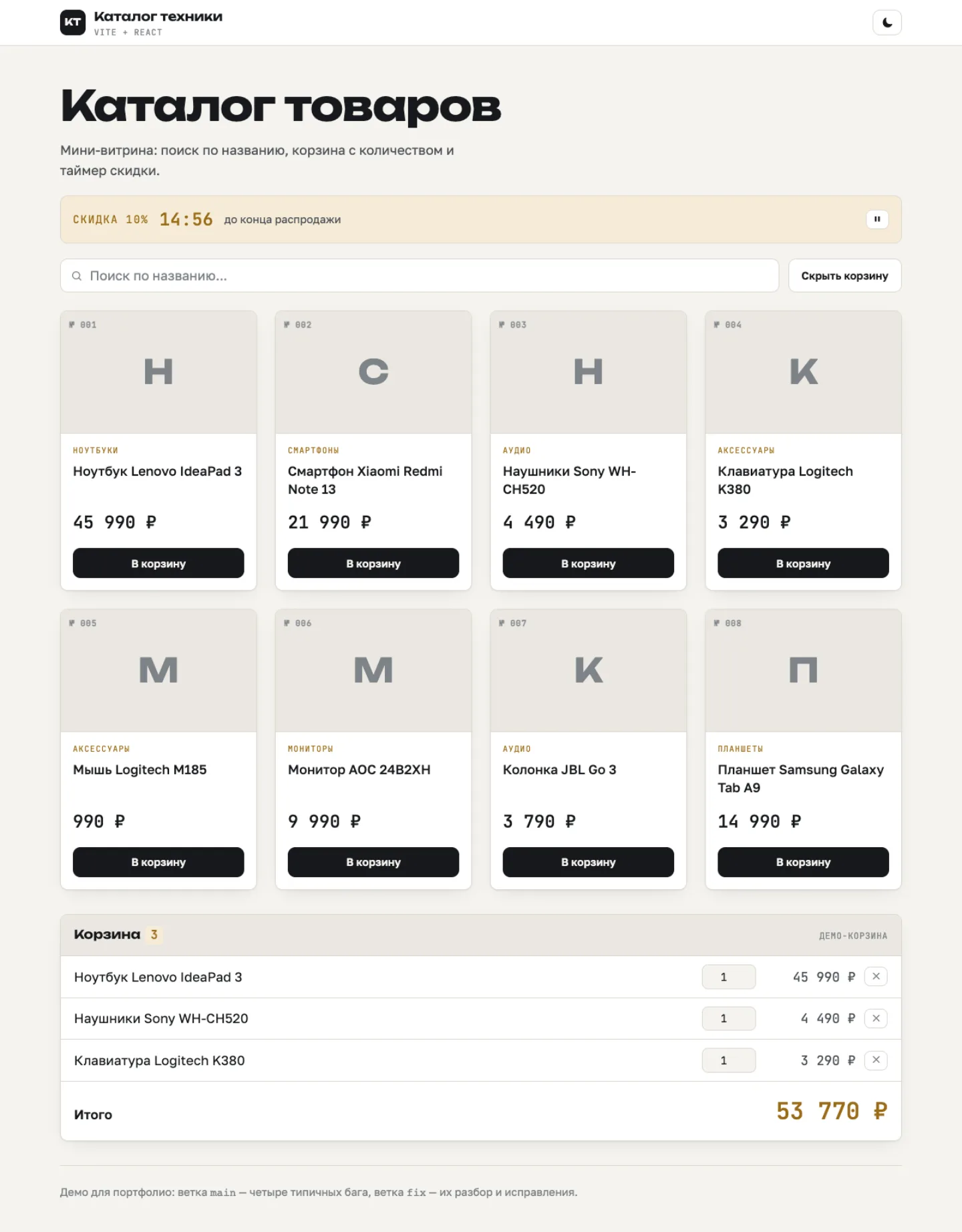
A live teardown of four classic React mistakes that trip up inherited code: state lost on rapid clicks, a mutated array, index as a key, a leaking timer. Each one shows the symptom, the cause and the fix side by side, “before” and “after” in one demo. It is a showcase of our support service: we enter an unfamiliar project, find the root cause instead of muting the symptom, and leave code that does not fall apart later.
lendvis.ru/react-bugfix/
OpenCode

Under NDA

Commercial code is under contract, so these projects are told as problems and outcomes.

Screenplay to a shot list

The service turns a film screenplay into a director’s shot list: it splits the text into scenes by INT./EXT. headers, batches them into the model context and assembles a shooting plan — duration, sound, props and gear per shot. The hard part was not talking to a model but getting a predictable structure out of it. Exports a CSV that Excel opens with Cyrillic intact. A team project; the code is closed.

PDF · DOCX

input formats

A map photo album for Aurora OS

A photo album for Aurora, a Russian mobile OS: it reads EXIF geotags and lays photos out on a map. Tiles are cached so the map works with no network, and thumbnails are built in separate isolates so scrolling never stalls on heavy shots. The platform is unfamiliar territory — no Google services, no off-the-shelf map plugins — so everything goes through a layer of its own. The code is closed.

офлайн

the map works with no network

A game token with vesting

A TIP-3 jetton for the TON network with on-chain vesting: nine distribution pools, a three-month cliff, 12- and 18-month unlock schedules, and burn with redistribution. A contract cannot be patched or rolled back once it is live, so every bit of the vesting arithmetic is covered by sandbox tests — 34 of 34 green. The token runs in production; the code belongs to the client.

34/34

sandbox tests green

A blockchain game with NFTs on TON

A game project on the TON network: in-game items are issued as NFTs, and ownership and economy live on-chain rather than in a server database. We worked on the smart contracts and token issuance behind the game mechanics — where a contract bug cannot be rolled back, so the logic is verified before deploy. A client project; the code is closed.

NFT

in-game items on-chain

Automated assignment checking

A service that checks student assignments automatically: a submission enters a queue, runs through a set of checkers and comes back as a per-step breakdown rather than one dry grade — the teacher sees exactly where the student went wrong. The key engineering call was two clients on one API: an expert console in React and a mobile app in Flutter both talk to a shared backend, so the checking logic lives in one place instead of being duplicated. The whole stand comes up with a single Docker Compose command. A team project, told as a problem rather than shown as code.

2

clients on one API

A flower shop under load

A production flower-delivery shop with a full commercial cycle: a Next.js storefront over FastAPI, PostgreSQL, Redis and Celery. Payments, stock sync, CRM, a delivery service, three messenger bots for orders and alerts, and a twenty-section admin panel — over 80,000 lines of live code. The job was not to look good but to withstand the 8 March peak under real traffic and stay up on the most profitable day of the year. It did, with no downtime.

80K+

lines of code

Offline QR meal payments

Meal payments at a campus by a QR pass that works even with no internet — critical when hundreds of people pass a point in fifteen minutes and the connection may drop. The pass is ECDSA-signed and verified on the device itself, with no server call; double-spend protection catches a pass used twice. The Kotlin backend was load tested, and the client is one codebase for both Android and iOS — one app instead of two. It ran in production for around a thousand users.

~1000

users

Rescuing legacy code

A project handed over broken: enemy logic failed, physics behaved unpredictably, performance decayed to unplayable. You cannot “scrap and rewrite” this — the value is in keeping the existing mechanics and fixing the defects. The root was a memory leak: twelve data structures allocated every frame and never freed, so usage grew until it degraded. We found and fixed the cause at the root, closed about twenty bugs and restored the enemy AI. A textbook case of taking over someone else’s neglected code and putting it right.

~20

bugs fixed

Tell us what needs building

Two paragraphs is enough. Back comes a timeline, a couple of options, and a straight “this is not a job for us” when that is the honest answer.

Start a project